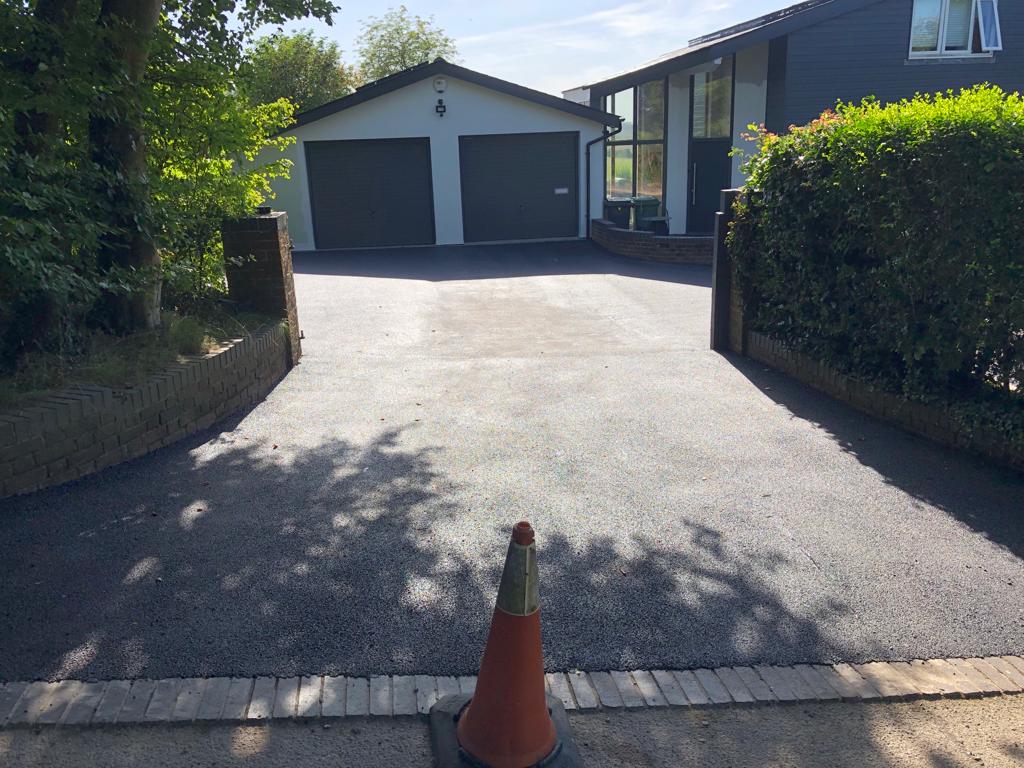
Hardstands are designed to support repeated use by heavy vehicles, equipment, and machinery without compromising surface integrity. When constructed correctly, they provide a stable and reliable foundation for demanding operational environments. In Redland Bay, where hardstands are relied upon for ongoing heavy-duty use, proper design and construction are essential to long-term performance.
At Redland Bay Surfacing Solutions, hardstands are built with a focus on strength, stability, and durability to ensure they can handle sustained heavy loads.
Strong and Stable Base Construction
The foundation of any hardstand is its base. A hardstand suitable for heavy loads requires a well-prepared and properly compacted base that can support weight without shifting or settling.
Base materials are selected and layered to provide structural strength, allowing loads to be transferred evenly through the surface and into the ground below. Without a solid base, even the strongest surface layer will fail under pressure.
Correct Surface Thickness and Composition
Surface thickness plays a critical role in load-bearing performance. Hardstands designed for heavy vehicles require sufficient asphalt or bitumen depth to resist deformation under weight.
The surface material must also be suitable for repeated stress. Properly laid asphalt provides the flexibility needed to absorb heavy loads while maintaining structural integrity over time.
Effective Load Distribution
A key factor in hardstand performance is how loads are distributed across the surface. Heavy vehicles exert concentrated pressure, particularly in areas where turning, braking, or stationary loading occurs.
Professionally designed hardstands spread these loads evenly, reducing stress on individual points and preventing rutting, cracking, or surface failure.
Proper Drainage and Water Control
Water is a major contributor to surface breakdown, especially under heavy loads. If moisture is allowed to collect beneath a hardstand, the base can soften and lose its ability to support weight.
Correct grading and drainage ensure water is directed away from the surface, protecting the base layers and maintaining long-term stability.
Resistance to Repeated Stress
Hardstands are often used continuously, with vehicles following the same paths day after day. This repeated stress can lead to surface fatigue if the hardstand is not designed correctly.
A suitable hardstand is engineered to withstand these repeated loads without developing weak points, ensuring consistent performance under ongoing use.
Designed for Local Conditions in Redland Bay
Local ground conditions and usage requirements influence how a hardstand should be constructed. In Redland Bay, professional assessment ensures that base preparation, surface design, and drainage are suited to the site’s specific demands.
This tailored approach helps deliver a hardstand that performs reliably within its operating environment.
Conclusion
A hardstand suitable for heavy loads relies on strong base construction, appropriate surface thickness, effective load distribution, and proper drainage. When these elements work together, the result is a durable surface capable of handling demanding use without premature failure.
If you require a hardstand designed for heavy-duty performance, Redland Bay Surfacing Solutions provides professional construction tailored to local conditions. Contact our team to discuss how a properly built hardstand can support your operational needs and deliver long-term reliability.
Call us on: 07 3113 9392
Click here to find out more about Redland Bay Surfacing Solutions
Click here to complete our contact form and see how we can help with your driveway needs.