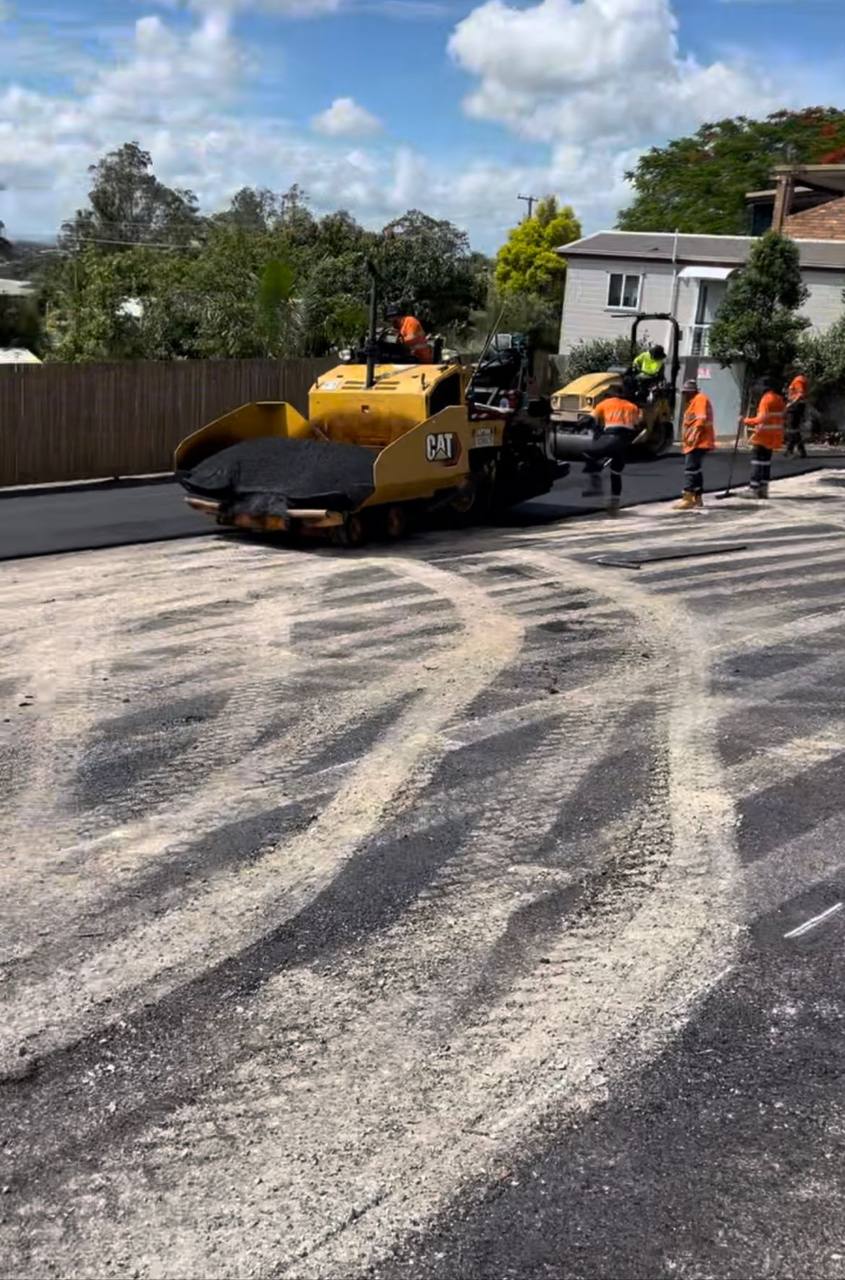
When planning a new driveway or resurfacing project, it is common to hear the terms asphalt and bitumen used interchangeably. Although they are closely related, they are not exactly the same thing. Understanding the difference can help property owners in Redland Bay, QLD, make more informed decisions about their surfacing requirements.
Both materials have important roles in road and driveway construction, but they refer to different components of the finished surface. The suitability of a particular surfacing system depends on factors such as the site, intended use, ground conditions and the type of finish required.
What Is Bitumen?
Bitumen is a sticky, highly viscous material produced during the refining of crude oil. It is primarily used as a binding material in road and pavement construction.
On its own, bitumen is not generally the finished driveway surface. Instead, it acts as a binder that holds aggregate materials together. Its waterproofing properties and ability to bind with stone make it an important component of many surfacing systems.
What Is Asphalt?
Asphalt is a mixture that typically combines bitumen with aggregates such as crushed stone, sand and other mineral materials.
The bitumen binds the aggregate together to create a durable, continuous surface suitable for roads, driveways and other paved areas.
This means that bitumen is a component of asphalt rather than simply being an alternative name for the completed asphalt surface.
Why Are Asphalt and Bitumen Often Confused?
The terms are frequently confused because bitumen is an essential ingredient in asphalt. In everyday conversation, people may also use terms such as bitumen surfacing, asphalt surfacing and bitumen pavement to describe similar types of paved surfaces.
However, understanding the distinction is useful when discussing a driveway or resurfacing project with a professional. It helps ensure everyone is referring to the same material and construction method.
What Are the Benefits of Asphalt Surfacing?
Asphalt can provide a smooth, continuous surface that is well suited to regular vehicle use. When correctly designed and installed, it can provide good durability while creating a neat appearance around a property.
Other potential benefits include:
- A smooth surface for vehicle access
- A consistent finished appearance
- Good resistance to regular traffic
- Efficient installation when properly planned
- The ability to repair or resurface areas when required
The performance of an asphalt driveway depends heavily on appropriate preparation beneath the finished surface.
Why Is Ground Preparation Important?
Even high-quality asphalt can develop problems if the foundation beneath it is unsuitable. Weak or poorly compacted ground can contribute to movement, cracking, depressions and other surface defects.
Before installing an asphalt driveway in Redland Bay, QLD, the site should therefore be assessed carefully. Ground conditions, drainage, existing surfaces and expected vehicle loads can all influence the appropriate preparation.
A properly prepared base provides the support required for the finished asphalt surface to perform as intended.
Asphalt and Bitumen: Which Is Used for Driveways?
For a typical asphalt driveway, bitumen forms part of the mixture that binds the aggregate together. The finished product is therefore an asphalt pavement rather than simply a layer of pure bitumen.
The appropriate surfacing approach depends on the specific requirements of the property. Factors such as driveway size, traffic levels, drainage and the existing ground should all be considered before work begins.
How Does the Right Surfacing Method Improve Performance?
Choosing suitable materials is only one part of creating a reliable driveway. Proper excavation, base preparation, grading, drainage and installation all contribute to the performance of the finished surface.
Poor drainage, for example, can allow water to affect the underlying layers and contribute to deterioration. Correctly preparing the site helps provide a stable foundation and appropriate water management.
For this reason, a professional site assessment is valuable before deciding on a surfacing solution.
Asphalt Driveway Services in Redland Bay
If you are considering an asphalt driveway or resurfacing project in Redland Bay, QLD, Redland Bay Surfacing Solutions can assess your property and discuss the most appropriate approach for the site.
Our service considers the existing surface, ground conditions, intended use and drainage requirements before work is undertaken. This helps ensure the chosen surfacing system is suitable for the property rather than relying on a one-size-fits-all approach.
If you are planning a new driveway or need to improve an existing surface in Redland Bay, contact Redland Bay Surfacing Solutions to discuss your requirements and arrange a professional assessment.
Conclusion
Asphalt and bitumen are closely connected but are not the same material. Bitumen is a binding component, while asphalt is generally a mixture of bitumen and aggregate used to create the finished paved surface.
For property owners in Redland Bay, QLD, selecting the right surfacing solution involves more than understanding the terminology. Site preparation, drainage, ground conditions and intended vehicle use all need to be considered. A professional assessment can help determine the most suitable approach and provide a durable, practical driveway surface.
Call us on: 07 3113 9392
Click here to find out more about Redland Bay Surfacing Solutions
Click here to complete our contact form and see how we can help with your driveway needs.