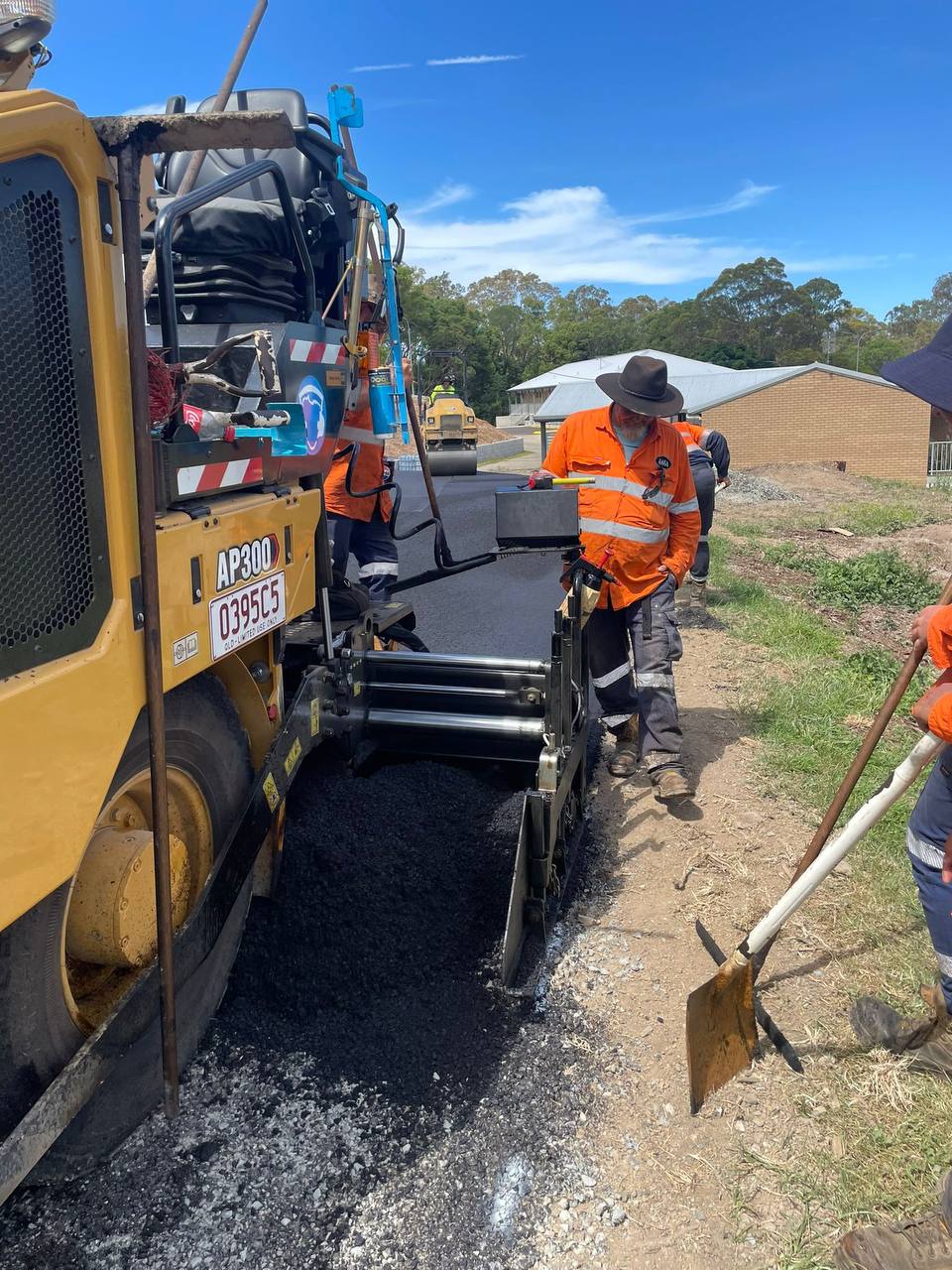
Loose stones, crumbling edges or small pieces of asphalt breaking away from a paved surface can be easy to dismiss as normal wear. However, these changes can indicate that the asphalt is beginning to lose its integrity. If deterioration continues, a relatively small affected area can develop into cracking, potholes, depressions or more widespread pavement failure.
For property owners and businesses in Redland Bay, QLD, investigating crumbling asphalt promptly provides an opportunity to identify why the surface is deteriorating while more of the surrounding pavement remains sound. The appropriate solution may involve a localised repair, but where deterioration is widespread, resurfacing or deeper pavement work may need to be considered.
What Does Crumbling Asphalt Actually Mean?
Asphalt consists of aggregate held together within a bituminous binder. When the pavement is performing correctly, these materials form a dense, stable surface capable of supporting regular traffic.
As the surface deteriorates, aggregate can begin loosening from the pavement. Initially, this may appear as a small amount of loose material on top of the asphalt. As deterioration progresses, the surface can become increasingly coarse and sections may begin breaking apart.
This loss of material should be investigated because the pavement is no longer remaining intact in the affected area.
Why Does Asphalt Start Breaking Apart?
There is no single cause of crumbling asphalt. The condition of the pavement, its age, traffic demands and exposure to water can all influence deterioration.
Possible contributing factors include:
- Surface ageing and weathering
- Water entering existing cracks
- Repeated vehicle loading
- Weakness within the supporting pavement
- Poor drainage
- Deterioration around previous repairs
- Insufficient support at pavement edges
Identifying the cause is important because treating loose material alone may not prevent further deterioration.
Water Can Accelerate Surface Breakdown
Once an asphalt surface begins opening up, water can find more opportunities to enter the pavement.
Moisture that reaches the supporting layers can reduce their ability to provide consistent support. Vehicle traffic then continues applying pressure from above, potentially causing additional movement and break-up.
The process can become progressive: deterioration allows more water into the pavement, and additional moisture contributes to further deterioration.
Prompt repairs can help interrupt this cycle before the affected area becomes substantially larger.
Crumbling Areas Can Develop into Potholes
A section of loose asphalt can be an early stage in pothole formation.
As vehicle tyres travel over weakened material, small pieces can be displaced from the surface. The resulting depression exposes more edges to traffic and weather, causing additional material to break away.
If water also reaches the pavement underneath, the supporting base may begin losing stability.
Eventually, what began as a rough or crumbling patch can become an open pothole requiring a more substantial repair.
Pay Particular Attention to Crumbling Edges
Asphalt edges are often among the first areas to show deterioration because they can have less surrounding support than the central pavement.
Vehicles repeatedly travelling close to an unsupported edge can place considerable stress on the asphalt. Erosion of adjoining material can make the problem worse by reducing lateral support.
Warning signs include:
- Small pieces breaking from the edge
- Cracks running alongside the pavement boundary
- Loose aggregate accumulating nearby
- Sections becoming narrower or irregular
- Adjacent ground eroding away
Early attention can help prevent edge deterioration from progressing towards the main trafficable area.
Loose Aggregate Can Indicate Surface Wear
Not every loose stone means that an asphalt pavement is structurally failing. However, increasing amounts of loose aggregate across an established surface deserve attention.
Asphalt naturally changes as it ages. Environmental exposure and traffic can gradually affect the binder, and the surface may become more weathered and open.
If aggregate loss becomes widespread, the pavement should be assessed to determine whether maintenance or resurfacing is appropriate before deeper defects develop.
Look for Cracks Around the Deteriorating Area
Loose or crumbling asphalt becomes more concerning when it appears alongside cracking.
Cracks create pathways for water while also dividing the pavement into increasingly vulnerable sections. When the edges of these cracks start breaking apart, the damage can spread relatively quickly under regular traffic.
Particular attention should be given to:
- Widening cracks
- Interconnected cracking
- Cracks with crumbling edges
- Cracking around depressions
- Previously repaired cracks reopening
The pattern of cracking can help an experienced contractor understand whether the issue is primarily at the surface or connected to movement underneath.
Depressions Can Point to Problems Below the Asphalt
If a crumbling section is also sinking or becoming uneven, the problem may extend into the supporting pavement.
The asphalt surface relies on the base beneath it to carry vehicle loads. Where this support becomes unstable, the surface can deform and eventually fracture.
Depressions can also collect rainfall, keeping moisture concentrated in already weakened areas.
Simply replacing loose surface material may not provide a lasting solution if the underlying pavement continues to move.
Recurring Damage Needs Closer Investigation
A section that has previously been repaired but continues to crumble can indicate that the underlying cause remains unresolved.
Recurring deterioration may be associated with:
- Base instability
- Persistent moisture
- Poor drainage
- Repeated heavy loading
- Movement beneath the repair
- Wider pavement deterioration
Rather than repeatedly treating the visible symptoms, professional investigation can determine whether the repair needs to extend deeper into the pavement.
Why Early Repairs Can Preserve More Asphalt
One of the main advantages of responding promptly is the opportunity to contain deterioration.
When damage remains localised, it may be possible to remove the failed material and restore the affected section while leaving surrounding asphalt undisturbed.
If the area is allowed to continue breaking apart, however, the boundary between damaged and sound pavement can gradually expand.
Early intervention can therefore help preserve more of the existing surface and reduce the likelihood that widespread restoration will become necessary.
When Might Resurfacing Be More Appropriate?
Local repairs are useful when deterioration is confined to individual sections. Where crumbling, cracking and general surface wear have become widespread, continually repairing isolated areas may no longer be the most suitable approach.
Resurfacing may be considered when the upper pavement has deteriorated but the underlying structure remains serviceable.
A resurfaced asphalt pavement can restore:
- A consistent trafficable surface
- Smoother vehicle movement
- Surface integrity
- A more uniform appearance
- Additional protection for the existing pavement
Before resurfacing, however, significant defects need to be repaired and the existing pavement confirmed as suitable.
Structural Failure Requires More Than a New Surface
Resurfacing cannot permanently correct a seriously unstable pavement foundation.
Where loose asphalt occurs alongside extensive movement, severe rutting, deep cracking or widespread depressions, deeper rehabilitation may be necessary.
Affected materials may need to be removed so that the supporting pavement can be restored before new asphalt is installed.
This is why investigating deterioration promptly is valuable. It allows the treatment to be based on the actual condition of the pavement rather than simply covering what is visible.
Professional Assessment Helps Identify the Right Solution
Loose or crumbling asphalt can have several causes, and the most appropriate treatment depends on what is happening throughout the pavement structure.
An experienced asphalt contractor can assess:
- The extent of surface deterioration
- Crack patterns
- Base stability
- Drainage conditions
- Pavement edges
- Traffic movements
- Previous repair areas
- Signs of settlement or deformation
This provides a clearer basis for deciding whether targeted repairs, resurfacing or more substantial pavement rehabilitation is required.
Do Not Wait for a Rough Surface to Become a Failed Surface
Asphalt deterioration is generally easier to manage while it remains limited.
Property owners should periodically inspect paved areas for changes in texture, loose material, developing cracks, potholes and water pooling. Areas that suddenly begin deteriorating or become noticeably worse over a short period should receive particular attention.
A professional inspection does not automatically mean extensive work is required. Instead, it helps establish what is causing the deterioration and what action is appropriate at the current stage.
Conclusion
Loose or crumbling asphalt should be investigated promptly because it can indicate that the pavement is beginning to lose its surface integrity. Water, continued traffic and weaknesses beneath the pavement can cause the affected area to expand, potentially leading to potholes, cracking and more extensive deterioration.
Addressing the problem early provides a better opportunity to preserve sound asphalt and select a repair method suited to the actual cause of the damage.
Redland Bay Surfacing Solutions provides professional asphalt and bitumen surfacing services throughout Redland Bay, QLD. If your driveway, access road, car park or other asphalt surface is beginning to crumble or shed material, our experienced team can assess its condition and recommend an appropriate repair or resurfacing solution focused on dependable long-term performance.
Call us on: 07 3113 9392
Click here to find out more about Redland Bay Surfacing Solutions
Click here to complete our contact form and see how we can help with your driveway needs.