Road deterioration rarely begins with a major failure. In most cases, the first warning signs are relatively minor: a narrow crack, a shallow depression, loose surface material or an area where water has started to collect. These defects can be easy to overlook, particularly when vehicles can still use the road without difficulty.
The problem is that small defects can allow water, traffic and continued wear to affect deeper parts of the pavement. Over time, what began as a manageable surface issue can develop into potholes, widespread cracking, rutting or structural failure.
For property owners and businesses in Redland Bay, QLD, proactive road maintenance is one of the most effective ways to preserve asphalt and bitumen surfaces. Redland Bay Surfacing Solutions provides professional resurfacing and maintenance solutions focused on addressing deterioration before it progresses further.
Why Minor Road Damage Should Not Be Ignored
An asphalt or bitumen road is made up of several layers working together. The visible surface protects the pavement underneath, while the supporting base distributes traffic loads and provides stability.
When the surface develops a defect, this protection can become compromised. A small crack, for example, may allow water to penetrate towards the base. Once supporting materials weaken, vehicle loads can cause movement and accelerate deterioration.
This is why the severity of a road problem cannot always be judged by its appearance alone.
Deal With Cracks Before Water Gets Through
Cracking is one of the most recognisable early signs of road deterioration.
Individual cracks may initially have little effect on vehicle movements, but they provide openings through which moisture can enter the pavement. Continued traffic can also cause the edges of cracks to break away, making them progressively wider.
Early crack treatment can help limit water penetration and slow further deterioration where the surrounding pavement remains structurally sound.
If cracking is widespread or repeatedly returns after repairs, professional assessment is worthwhile because movement deeper within the pavement may be responsible.
Pay Attention to Areas Where Water Collects
Standing water is often a warning that the road’s surface profile or drainage is no longer functioning as intended.
Depressions and wheel ruts can trap rainfall. Water may then enter small cracks or gradually affect pavement edges and supporting materials.
Rather than simply repairing damage where water has accumulated, it is important to understand why the water is collecting there.
Correcting surface levels, grading or drainage can help address the cause and reduce the likelihood of the same deterioration returning.
Repair Small Potholes Before They Expand
Potholes tend to become progressively worse once they develop.
Vehicle tyres strike the edges of the hole and loosen additional pavement material. Rainfall can enter the damaged section, while traffic continues placing pressure on an already weakened area.
A relatively small pothole can therefore expand considerably if it is left untreated.
Professional pothole repairs should do more than fill the visible cavity. Loose and failed material needs appropriate attention, and the condition beneath the damaged surface should be considered to reduce the likelihood of recurring failure.
Do Not Overlook Surface Ravelling
Ravelling occurs when aggregate begins loosening from an asphalt or bitumen surface. The pavement may appear rougher than normal, and loose material can become increasingly noticeable.
Although this can initially seem cosmetic, progressive material loss reduces the integrity of the wearing surface and leaves the pavement more exposed to traffic and weather.
Early assessment can determine whether localised maintenance is appropriate or whether the surface has deteriorated enough for resurfacing to be considered.
Watch for Wheel Rutting
Repeated traffic along the same path can gradually create depressions in the pavement.
Rutting is particularly important because it can indicate that either the surface or the pavement structure underneath is deforming under vehicle loads. Ruts can also collect water, adding another source of deterioration.
Shallow surface deformation may sometimes be addressed through repairs or resurfacing preparation. Deeper or recurring rutting may indicate inadequate structural support and should be investigated before another surface layer is applied.
Protect the Edges of the Road
Road edges can deteriorate when they lack adequate support, experience repeated vehicle loading or are affected by erosion and water.
Once an edge begins breaking away, the damaged area can gradually spread towards the trafficked portion of the road. Exposed pavement layers may also become increasingly vulnerable to moisture.
Checking road shoulders and edges as part of routine maintenance helps identify these problems before significant sections of pavement are affected.
Keep Drainage Working Properly
Drainage and pavement condition are closely connected.
Even a well-constructed asphalt surface can deteriorate prematurely if water continually flows across it, pools in low areas or penetrates beneath the pavement. Keeping drainage paths clear and maintaining appropriate surface falls helps reduce unnecessary moisture exposure.
If drainage problems are caused by the shape of the road itself, grading or more substantial pavement correction may be necessary.
Good maintenance therefore considers both the pavement and the way water moves around it.
Inspect High-Stress Areas More Frequently
Not every part of a road experiences the same amount of wear.
Entrances, intersections within a property, turning areas and sections exposed to frequent braking can deteriorate faster because they experience additional forces from vehicle movements.
These areas are useful places to focus routine inspections. Identifying early cracking, deformation or surface wear in high-stress locations allows maintenance to be carried out before the damage spreads.
Know When Resurfacing Is More Appropriate Than Patching
Individual repairs are valuable when deterioration is genuinely localised. However, repeatedly patching numerous areas across an ageing road may eventually become less effective if the overall wearing surface has deteriorated.
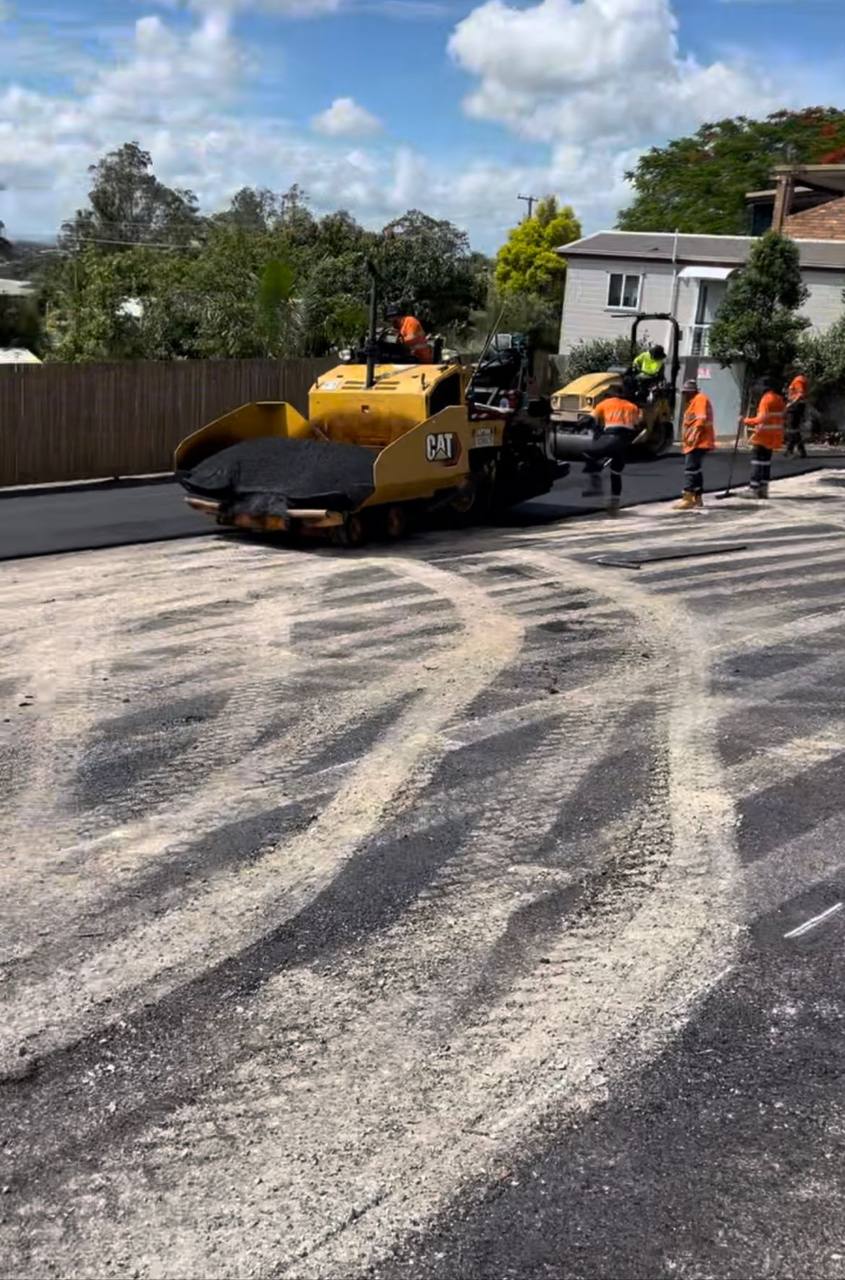
Where the foundation remains stable, professional asphalt or bitumen resurfacing can restore a more consistent protective surface and extend the useful life of the existing pavement.
Resurfacing should be considered before deterioration progresses deeply into the supporting layers. Once substantial structural failure develops, more extensive corrective work may be necessary.
Regular Inspections Make Preventative Maintenance Easier
Road maintenance is most effective when problems are identified early rather than waiting until vehicle access becomes noticeably affected.
Routine visual inspections can reveal changes such as:
- New or expanding cracks
- Small potholes
- Loose aggregate
- Surface ravelling
- Wheel ruts and depressions
- Pooling water
- Edge deterioration
- Uneven or sinking sections
Comparing the condition of the road over time can also help identify areas that are deteriorating unusually quickly.
Address the Cause, Not Only the Damage
One of the most important principles of effective road maintenance is understanding why a defect has developed.
A pothole caused by water entering a weakened base requires a different approach from isolated surface damage. Likewise, resurfacing an area that continues to sink will not resolve unstable material underneath.
Professional assessment helps identify whether deterioration relates to the surface, drainage, foundation, traffic loading or a combination of factors.
At Redland Bay Surfacing Solutions, our approach focuses on the overall pavement condition so that repairs and resurfacing address the factors affecting long-term performance rather than simply improving the visible surface.
Conclusion
Preventing small road problems from developing into major repairs begins with early attention. Cracks, minor potholes, loose material, rutting, drainage problems and deteriorating edges can all become more extensive when traffic and moisture are allowed to continue affecting weakened pavement.
Regular inspections, timely repairs and appropriate resurfacing can help preserve the underlying road structure and maintain a dependable driving surface for longer. Just as importantly, recurring problems should be investigated to identify their underlying cause.
For roads and access surfaces in Redland Bay, QLD, Redland Bay Surfacing Solutions provides professional asphalt and bitumen resurfacing and maintenance services. If your road is beginning to show signs of deterioration, arranging an assessment early can help identify the appropriate maintenance approach before relatively minor defects progress into more substantial pavement failure.
Call us on: 07 3113 9392
Click here to find out more about Redland Bay Surfacing Solutions
Click here to complete our contact form and see how we can help with your driveway needs.